Results of the GCF–FAO Readiness Project in Turkmenistan: Validation of Results and Final Meeting of the Project Steering Committee
38 ASHGABAT, 29 October 2026 – A workshop to validate the project results and the final meeting of the Project Steering Committee (PSC) were held in Ashgabat to review the outcomes of the two-year project implemented by the Food and Agriculture Organization of the United Nations (FAO), in cooperation with the Ministry of Environmental Protection of Turkmenistan and with support from the Green Climate Fund (GCF).
The GCF Readiness Project, “Improving the capacity of Turkmenistan to access climate finance through capacity building and strategic frameworks”, aimed to address key barriers to the implementation of climate action and strengthen the country’s institutional capacity to mobilize and effectively use climate finance. Particular attention was given to agriculture, forestry and other land use.
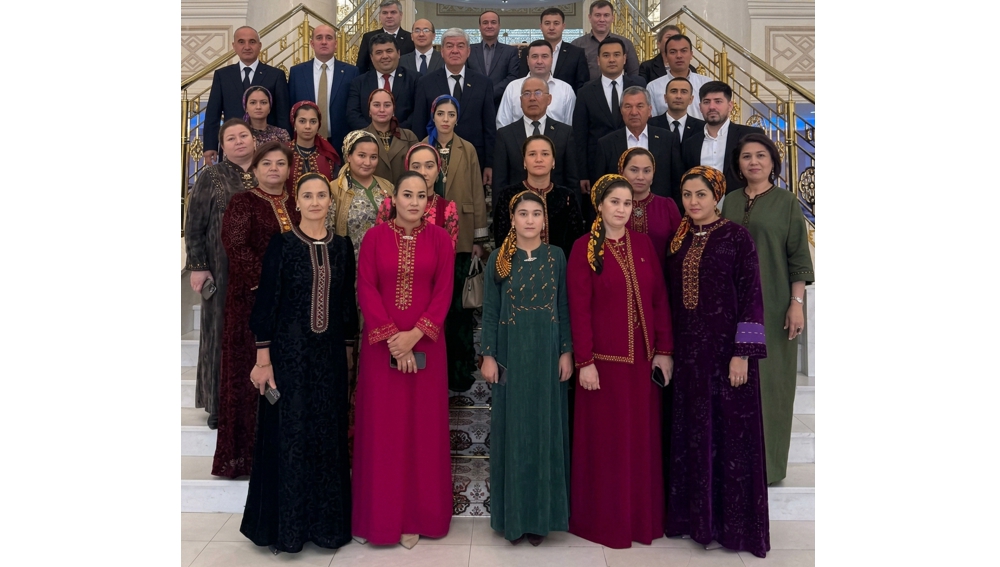
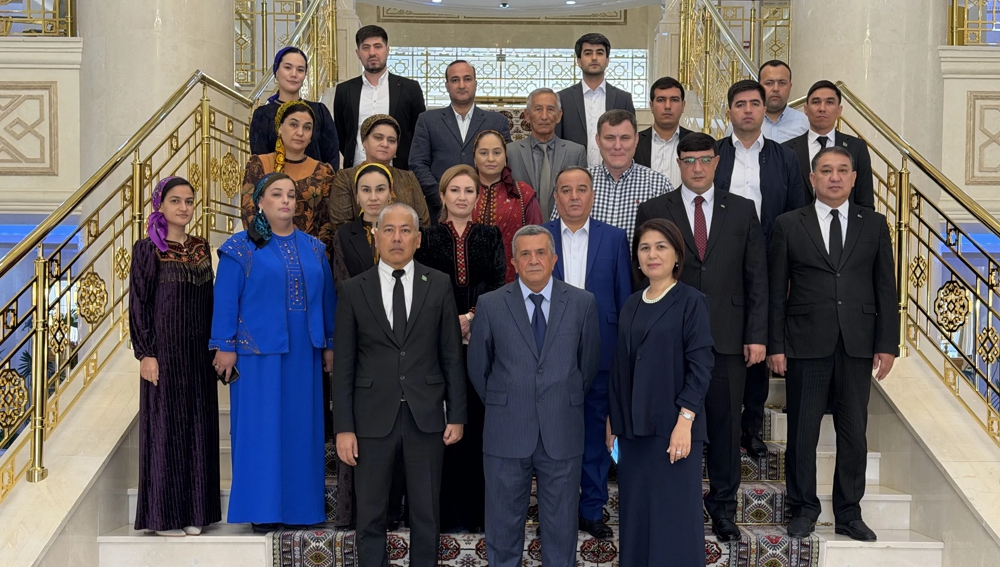
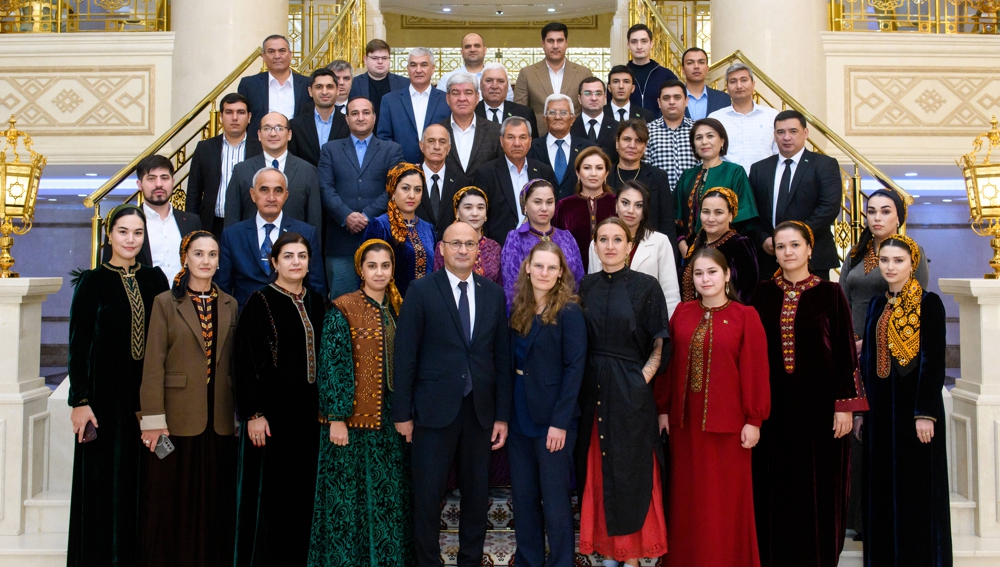
The workshop brought together representatives of relevant ministries and agencies, the financial sector, and scientific and educational institutions of Turkmenistan.
During the event, an FAO technical specialist presented the project’s main results in strengthening institutional capacity and digitalizing climate finance tracking. In particular, a dedicated digital tool was developed to classify, record and track climate finance flows. A series of practical training sessions on its use was also delivered for national specialists.
In addition, a comprehensive analysis of barriers to mobilizing climate finance was conducted. The challenges identified included the absence of a national green taxonomy, limited access to concessional financing mechanisms, and the need to strengthen technical capacity and improve systems for collecting and using climate data.
The second area of results focused on identifying priority climate technologies, preparing strategic documents and creating an enabling environment for private-sector investment. Priority technologies that support climate change adaptation and reduce greenhouse gas emissions were identified for the livestock, crop production, forestry and aquaculture sectors.
Based on the studies conducted, a number of analytical and strategic documents were prepared. These included implementation and investment plans for the updated Nationally Determined Contribution (NDC); draft regulatory provisions for the draft National Climate Law; a roadmap for engaging the private sector in climate investment; preliminary feasibility studies and an environmental assessment for the Aral Sea basin; and the legal and financial justification for establishing a Regional Climate Technology Centre for Central Asia in Ashgabat.
Following discussions of the materials presented, the Project Steering Committee adopted a final Conclusion, taking note of the analytical and technical documents developed and recommending that national ministries and agencies ensure their further practical application in the development and implementation of sectoral programmes and strategies.
At the close of the meeting, the final Conclusion was signed by authorized representatives of relevant government bodies, educational institutions and FAO. The document also identified priority needs for continued technical support, expanded access to GCF grant financing, and further strengthening of national capacity to advance Turkmenistan’s long-term climate and environmental priorities.